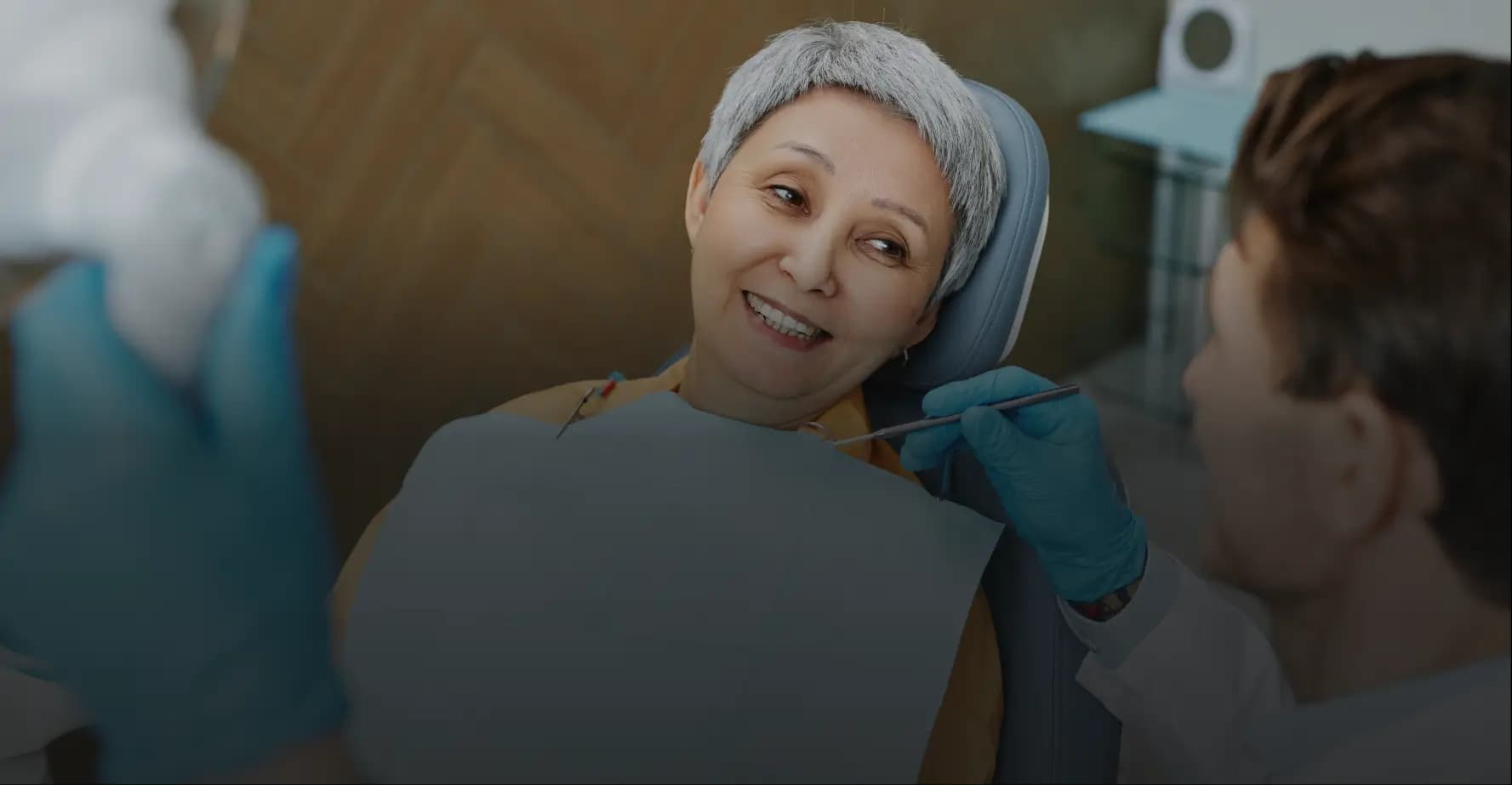
Failed Dental Implants Treatment Options
Restore Confidence After Dental Implant Failure
Dental Implants Time and Rate of Failure
- 5%01
Rate of Failure
The rate at which dental implants fail is about 5% — a small number, but when you consider how many people get implants, you realize a lot of people suffer from this. And the rate of failure can be due to many things.
- 3 to 4 Months02
Time of Failure
Early failure of dental implants usually happens within three to four months after the procedure during the process of the implant integrating with the jaw bone. Auto-immune disorders, allergic reactions, infections, and medications are just a few reasons dental implants fail.
- 1 to 10 Years03
Long-term Failure
If a dental implant fails anywhere from one to 10 years after the procedure, this is considered a late/long-term failure. There are several factors that can contribute to a late dental implant failure including: under-engineered procedures, smoking, lack of gum tissue, and teeth grinding. Infections, lack of bone, and head and neck radiation can also cause your dental implants to fail.
- 95%04
Success Rate
You may feel worried that your implant will fail, but remember, about 95% of implants are successful, so failure is actually a rare occurrence. And with our Vancouver Implant Clinic guarantee, we're 100% confident you'll leave with your ultimate smile.
Symptoms of Failed Dental Implants

- Continuous discomfort or pain around the implant site
- Ongoing swelling or redness in the gums
- Feeling of instability or wobbling of the implant
- Trouble or discomfort while eating
- Gums pulling back from the implant, exposing more of it
- Pus, bad breath, or an unpleasant taste in the mouth
- Frequent bleeding around the implant area
- Visible changes or deterioration in the jawbone structure
- Movement or shifting of the implant in the mouth
- Misalignment or difficulty in biting and chewing
- Numbness, tingling, or other abnormal feelings around the implant site
Real Stories from Our Happy Patients
Dr Webster and his team were amazing. Always friendly, and professional. I had the all on 4 done on my upper and lower and couldn't be happier. The...
Karin KoehleGoogle review I did a full dental implants with DR Webster and his team. They were all very friendly and everything went really good. I live 9 hours away and it was...
Dominic DubeGoogle review Kelowna dental center is the best dentist out there. Everyone there is happy to be there which makes you want to be there. I fealt listen to and welco...
Anna EvansGoogle review I had recently had 2 fillings done by Dr. Drever; she was so friendly and made me feel comfortable and at ease! I didn't feel the freezing at all, and...
Alexandra NewbroughGoogle review My son’s dental appointment with Dr. Sarah Abel went really, really well! We got in very fast. Dental assistant, Joanne Lopez, was very accommodatin...
Sassy WengGoogle review WOW! What an absolute gem of a dentist office! I was a patient at a different office for more then 10yrs. But my last straw, was the old office tellin...
Krystal ArmstrongGoogle review I have recently changed dentists and my first appointment with Kelowna Dental was incredibly professional. Dr. Abel's sense of integrity and knowledge...
Marilyn BratzerGoogle review
Failed Dental Implants Treatment Vancouver, BC
Kelowna & BC's Top Permanent Teeth Specialist
Several factors can contribute to the failure of dental implants, including:
- Poor Bone Quality: Insufficient bone density or volume can prevent successful implant integration.
- Infection: Bacterial infections around the implant site can lead to inflammation, implant instability, and ultimately, failure.
- Improper Placement: Incorrect positioning or angulation of implants during placement can affect their long-term success.
- Smoking: Tobacco use can impair healing and increase the risk of implant failure.
- Medical Conditions: Certain medical conditions such as diabetes or autoimmune disorders may impact the body’s ability to heal and accept dental implants.
- Bruxism: Excessive teeth grinding or clenching (bruxism) can put undue stress on implants, leading to complications.
- Implant Overloading: Placing excessive force on implants too soon after placement can hinder proper integration.
Easy Dental Financing Made Simple
Get the Smile You Deserve with Flexible Payment Plans and Quick Approvals
- $0 Down Payment
- High Approval
- Inquiry Won't Affect Score
- 48, 60, 90 month term
- 600+ Fico Score Required
- Decision Within Seconds